Author
Tsvetana Toncheva
Article
“Boina na porti sedeshe” and Yanka Taneva, the unique voice of Bulgaria's Thrace
Friday 25 September 2026 20:00
Friday, 25 September 2026, 20:00
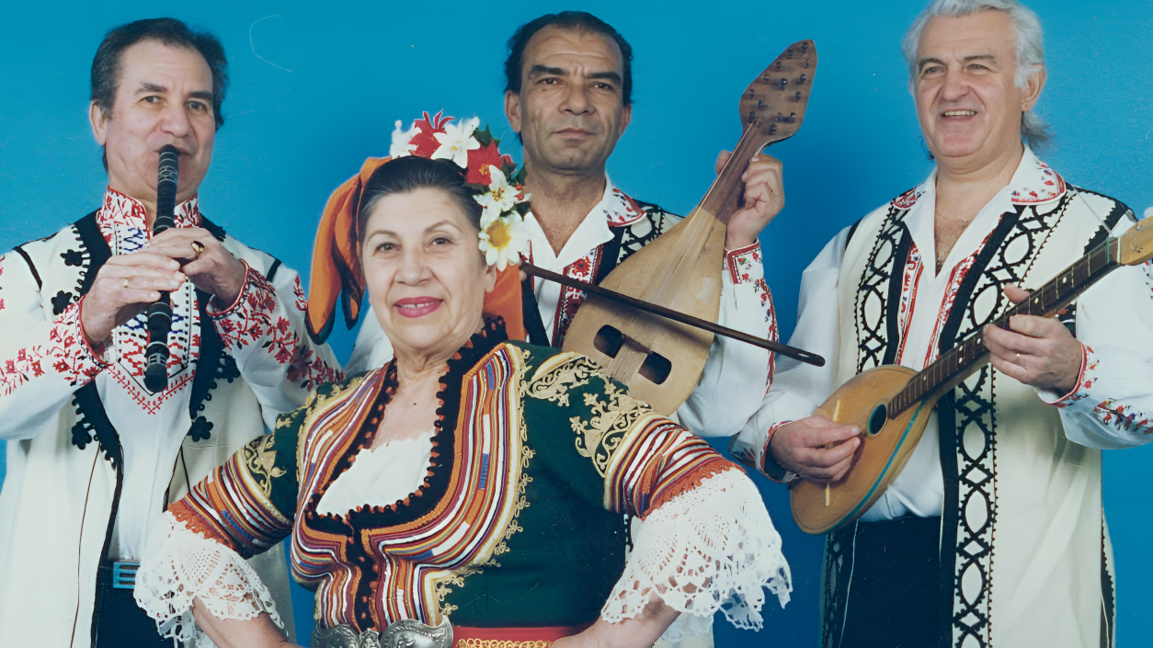
Yanka Taneva with the “Thracian Trio”: Stoyan Velichkov on kaval, Mihail Marinov on gadulka, and Rumen Sirakov on tambura
PHOTO State Archive in Burgas
Font size
“Boina was sitting at the gate and gazing towards the forest…” Yanka Taneva’s rich, resonant voice rises from somewhere deep and distant. From old Thrace, from the hearths and village gatherings where songs were passed down from mother to daughter.
“When will you come, young lad Rosen,
to unfurl my banner,
to gather your rebel band,
to lead your band…”
One of the most powerful folk songs from the Thrace folklore region tells a story of longing, anxiety and hope set against the dramatic and heroic era of Bulgaria’s national liberation movement, when individual destinies were inseparable from the fate of the people. Yanka Taneva’s unique timbre lends a particular emotional intensity to this folk miniature.
The voice of one of Thrace’s most emblematic folk singers and a longtime soloist with the State Ensemble for Folk Songs and Dances “Philip Koutev” is unmistakable: deep and powerful, with a distinctive low register. For decades, Yanka Taneva was known as the Bulgarian folk singer with the lowest voice. Her unusual timbre transformed every interpretation into a poignant narrative and a kind of sonic portrait of Bulgaria's Thrace region.
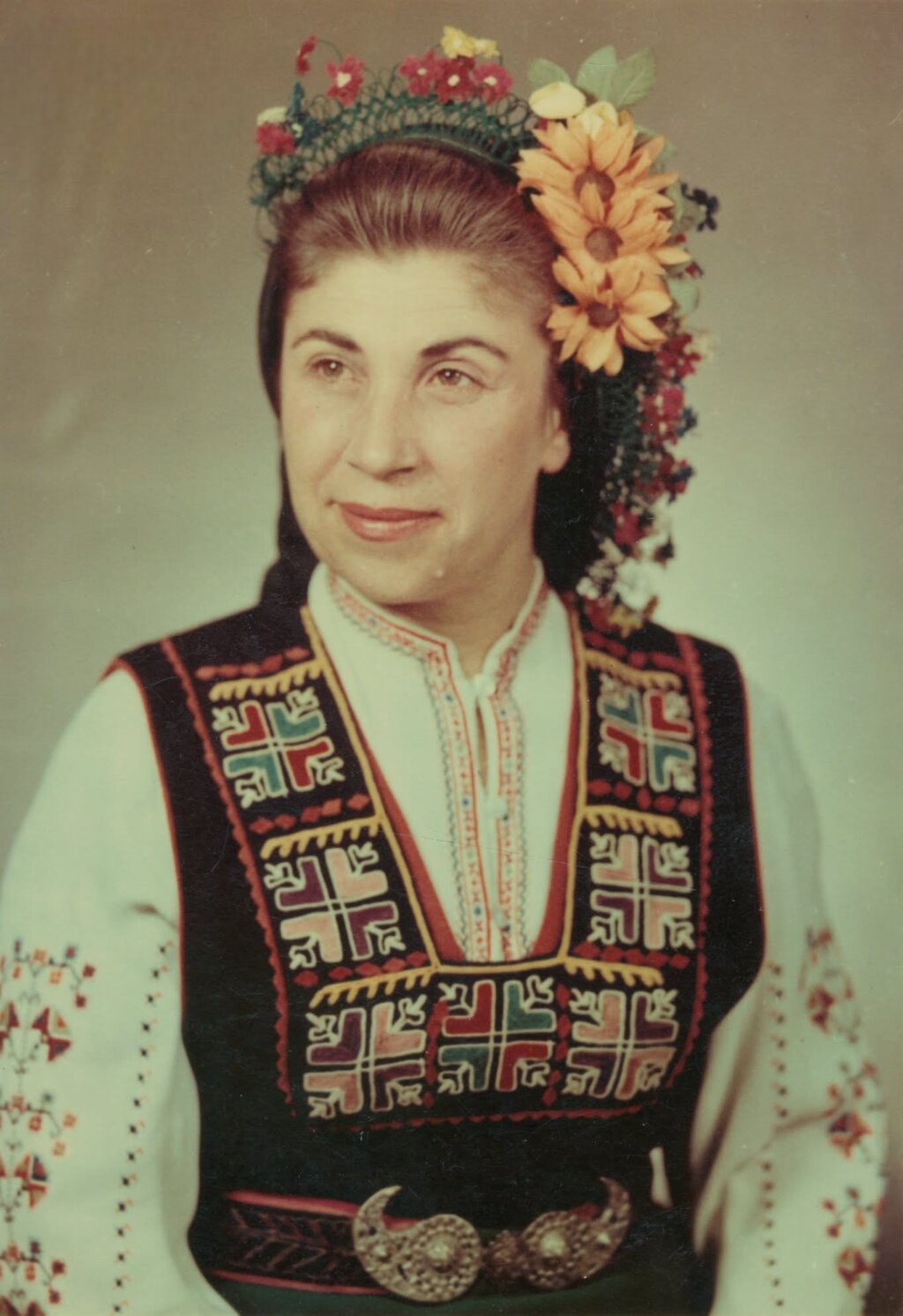
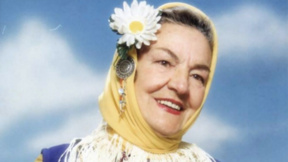
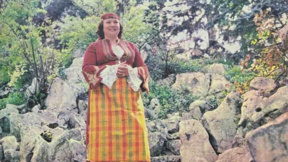
Yanka Taneva
PHOTO State Archive, Burgas
Born on September 18, 1927, in the village of Dautlii, today the town of Kableshkovo in southeastern Bulgaria near Burgas, Yanka Taneva grew up with the songs of her native region. She began singing as a child, absorbing the local folklore from her mother, grandmother, aunts and the entire family, where singing was a tradition.
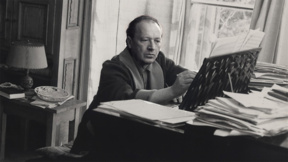
In 1951, she travelled to Sofia with her husband to audition for the newly established State Ensemble for Folk Songs and Dances founded by prominent Bulgarian composer Philip Koutev. Until the end of her life, she remembered how, before the audition, she heard the bright, high and ringing voices of the other candidates and became self-conscious about her own “thick” and unusual voice. She was even ready to leave, but her husband insisted that she appear before the audition panel, which included Philip Koutev, artist Iliya Beshkov and writer Dimitar Osinin.
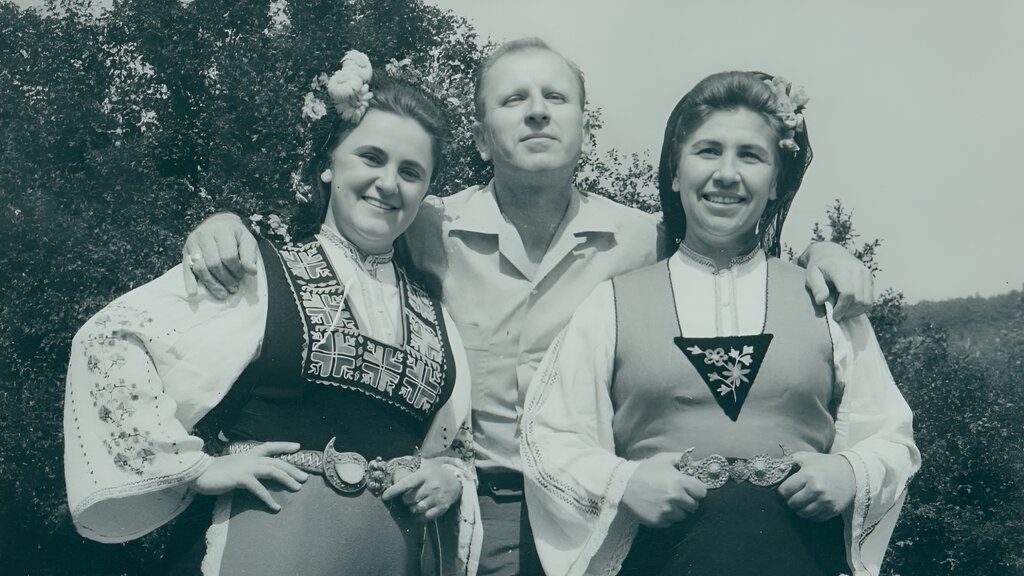
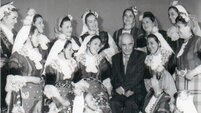
Yanka Taneva with folk singer Nadka Karadzhova and accordionist Ivan Kirev at the National Folklore Festival in Koprivshtitsa, wearing traditional Thracian costumes, 1971
PHOTO State archive - Burgas
When she began to sing, Philip Koutev rose from his chair and listened standing up, while Iliya Beshkov exclaimed: “Bravo, child! What a voice, what a wonder!” Among the songs with which Yanka Taneva filled the hall was “Boina na porti sedeshe”. After the audition, the decision was made: the ensemble needed this deep voice. Later, Philip Koutev would tell her: “You were exactly the one I needed. You were the one I was looking for!”
Yanka Taneva became an indispensable soloist of the “Philip Koutev” ensemble. She took on the lowest and most demanding vocal parts in songs that would later become known around the world, including "Lale li si, zymbyul li si“, “Polegnala e Todora”, "Mene li lyubish, lyube" and "Velina buyla dumashe". Yes “Boina na porti sedeshe” remains a particularly telling example of the great singer’s artistry.
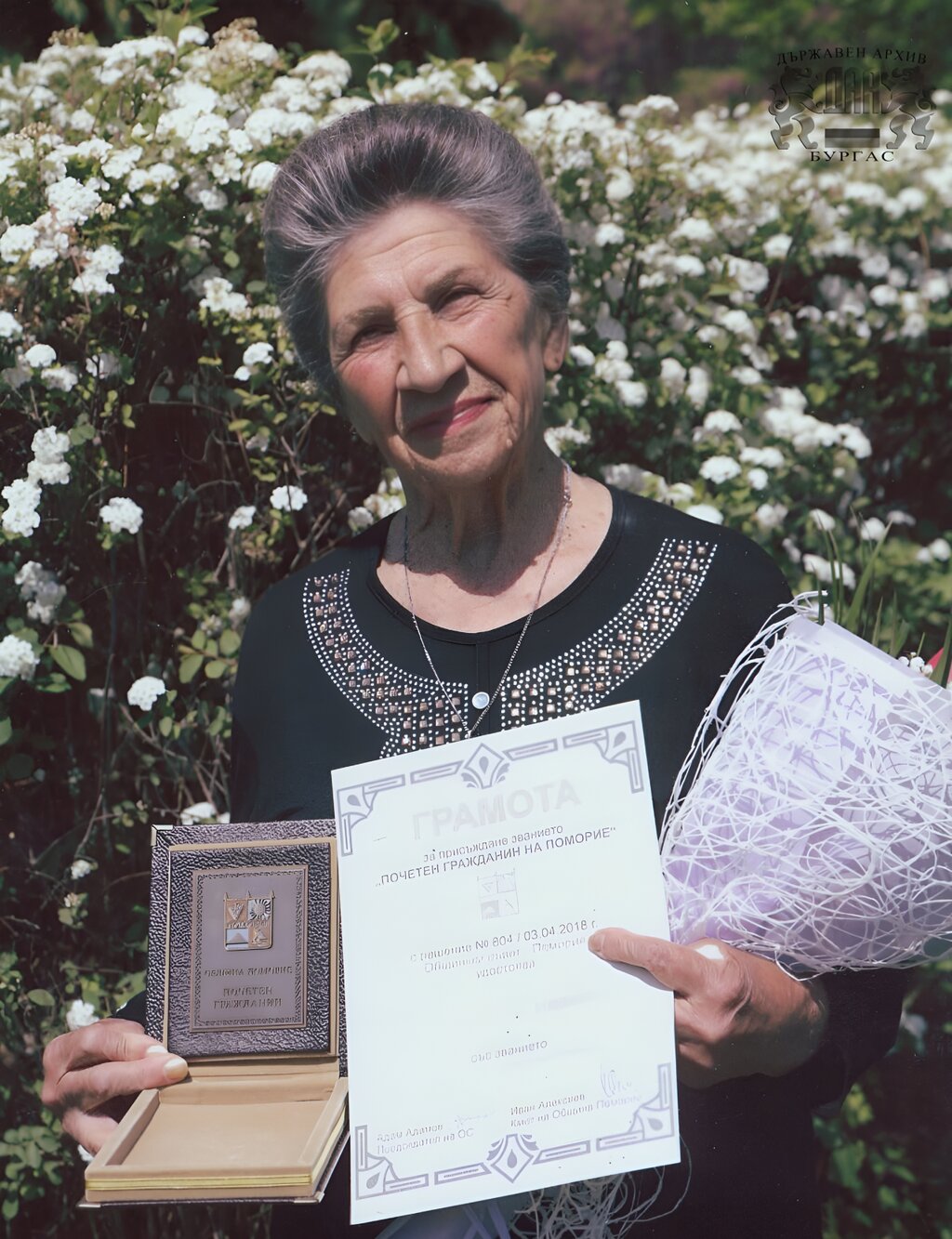
PHOTO State archive - Burgas
Yanka Taneva’s personal life was far from easy. She was widowed at just 27 and raised her two children alone. Yet she continued to sing, record, travel on tours and perform at festivals, repeatedly bringing audiences to their feet with her powerful voice.
She later recalled that before concerts she would sometimes cry alone in her dressing room to ease the burden inside her, then walk out before the audience with a smile. Perhaps this is why her voice was something more than sound, and her performances more than songs.
When Yanka Taneva sings, “When will you come, Rosen…”, Boina is no longer merely a figure from folklore. She becomes a flesh-and-blood woman waiting, gazing towards the forest, holding on to hope. And the singer’s powerful alto carries her anxiety, strength and dignity.
Yanka Taneva received numerous awards and performed with ensembles such as “The Great Bulgarian Voices”, “The Angels” and “Cosmic Voices”, leaving behind dozens of recordings. But above all, she remains a voice of extraordinary qualities, one that can never be mistaken for another.
English version: R. Petkova
This publication was created by: Rositsa Petkova